
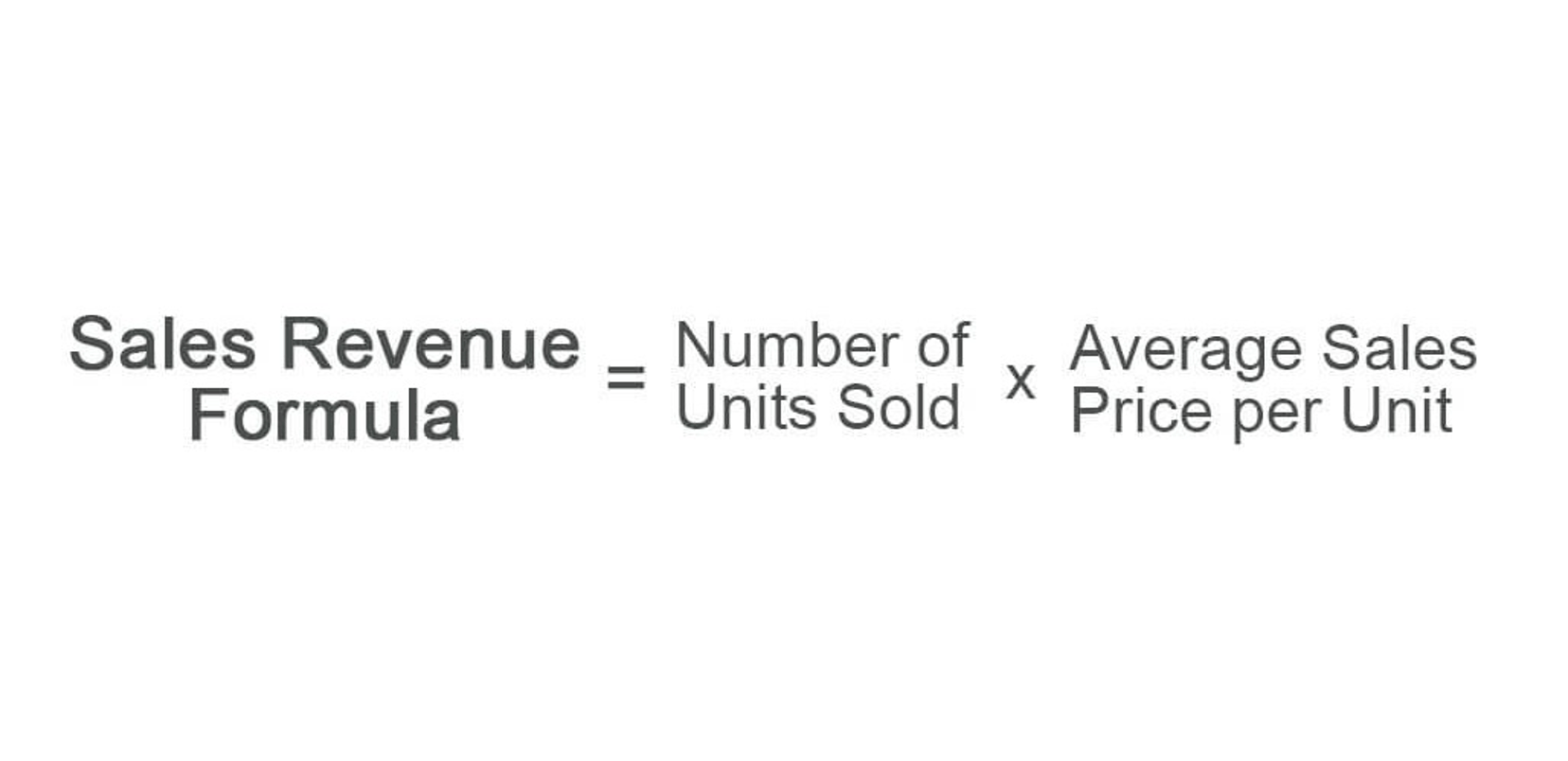
Hedges of the exposure to changes in the fair value of a recognized asset or liability or an unrecognized firm commitment. It may be worth looking at an in-depth cash flow hedge example to see how this works in a practice. Imagine that Company B needs to purchase 100 tonnes of steel, which sells for around £2,000 per tonne. However, if the price of steel spikes to £3,000 per tonne, Company B would be left with around £100,000 in expenses that they weren’t anticipating. On the same day, Entity A enters into an interest rate swap contract for $10,000 notional amount.
What is an example of a simple cash flow hedge?
A fair value hedge represents a specific accounting designation designed to protect a business against changes in the fair value of an existing recognized asset, liability, or an unfulfilled firm commitment. This specialized treatment allows a company to match the timing of gains and losses from the hedging instrument and the hedged item, thereby minimizing volatility in reported earnings. Fair value hedges are a vital tool for managing financial risks and stabilizing financial statements.
What are the Limitations of a Fair Value Hedge?
A fair value hedge must also be expected to be highly effective in offsetting fair value of the hedged item. Interest rate fluctuations can significantly affect the fair value of financial instruments. By adopting a fair value hedge, entities can mitigate the adverse impacts of interest rate movements on the value of assets such as bonds or loans. Similarly, market risks that result from changes in commodity prices, foreign exchange rates, or equity prices can be addressed through carefully selected hedging instruments.
IFRS Considerations
While hedge accounting is not a mandatory practice, it’s a valuable tool for businesses when it comes to financial risk management. Due to this, a lot of businesses leverage hedge accounting to offset the value of volatile assets and liabilities. To qualify as a hedging instrument, a foreign currency hedge must be a contract with a party external to the reporting entity, such as a forward exchange contract or a futures contract. A hedge of a net investment in a foreign operation is the third type of hedging relationship. This type of hedge is used to reduce the risk of changes in the value of a foreign operation due to fluctuations in exchange rates. Companies typically turn to fair value hedges when they want to neutralize the risk that comes from holding fixed-rate investments or obligations.

Businesses often face tight cash situations, making it challenging to meet payroll obligations. While hedging mitigates financial risks, services like payroll funding offer businesses a reliable way to manage immediate cash flow hedge vs fair value hedge cash flow needs, ensuring employees are paid on time. Imagine a company owns an asset valued at $50,000, but market conditions threaten to reduce its worth to $40,000.
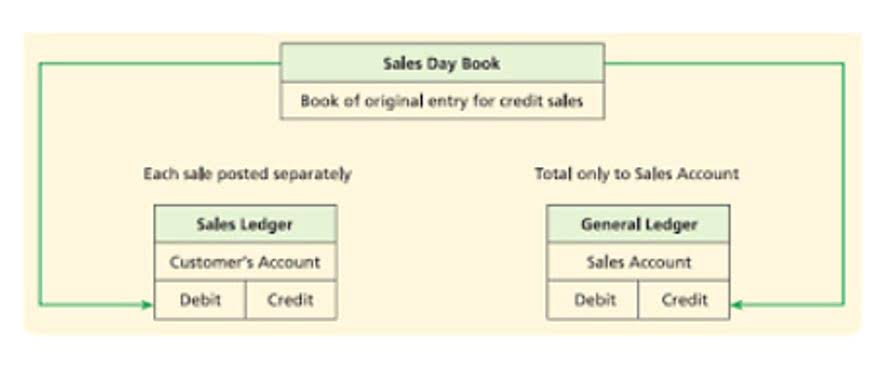
A key takeaway is that there’s flexibility in identifying hedging instruments, allowing companies to tailor their approach to their specific needs. A hedge is a financial instrument that helps reduce risk, and it’s often used to protect assets or investments. Derivatives, such as contracts whose value goes in the opposite direction of the Statement of Comprehensive Income hedged item, are a common type of hedging.
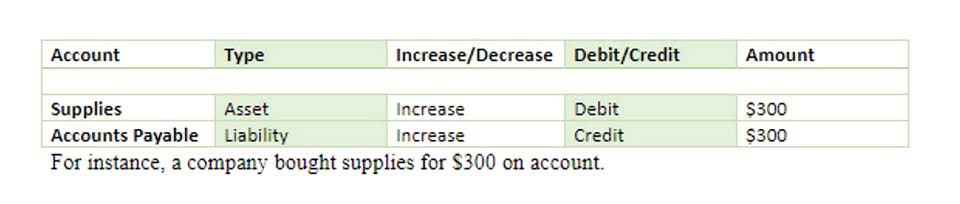
Inconsistent cash flow can lead to payroll disruptions, affecting employee morale and operational efficiency. Cash flow hedges can help businesses stabilize the variability in cash inflows, ensuring they have the resources needed to meet payroll. Meanwhile, fair value hedges protect the value of long-term investments that support payroll reserves. This dual approach can empower businesses to balance short-term obligations with long-term financial health. Case studies of successful fair value hedge implementations highlight the importance of rigorous planning and execution. Many organizations have reported that the initial setup – including thorough risk analysis and precise matching of the hedged item with the hedging instrument – is critical income summary for achieving desired outcomes.
- Companies can benefit from cash flow hedges by stabilizing future cash flows, making financial outcomes more predictable and supporting operating cash flow.
- By designating the forward contract as a fair value hedge, the exporter can offset changes in the fair value of the receivable due to exchange rate movements, stabilizing the financial statements.
- An entity is permitted to hedge any of the risks individually or in combination with other risks.
- The company is concerned that interest rates may fall, pushing up the fair value of the debt, resulting in an economic disadvantage if it wants to repurchase and refinance later.
- Knowledge of these specific forms of hedge accounting is crucial for firms operating in volatile environments and helps them avoid the risk of significant changes in financial statements.
- Accounting is a way to keep track of a company’s financial transactions and ensure they are reported accurately on their financial statements.
- Well, here, you are worried, that in the future, you would be paying or receiving a different amount than the market or fair value will be.
- A fair value hedge represents a specific accounting designation designed to protect a business against changes in the fair value of an existing recognized asset, liability, or an unfulfilled firm commitment.
- ASC Topic 820, “Fair Value Measurement,” requires companies to reflect derivatives at fair value in their financial statements.
- In Canada, fair value hedge accounting is governed by International Financial Reporting Standards (IFRS) as adopted in Canada, specifically IFRS 9 – Financial Instruments.
- The standard also aims to provide more transparent and informative financial statements.
- This helps to smooth out the volatility in earnings caused by changes in market prices.
Fair value hedges aim to offset the exposure to changes in the fair value of an asset or liability. This is achieved by using derivative instruments, such as interest rate swaps or forward contracts, to hedge against fluctuations in market conditions that could affect the value of the hedged item. The primary objective is to stabilize the financial statements by neutralizing the impact of market volatility. Companies can benefit from cash flow hedges by stabilizing future cash flows, making financial outcomes more predictable and supporting operating cash flow.

The SEC views use of the shortcut method as a rule-based exception to ASC 815 framework and emphasizes strict application of FASB’s exception criteria. Any material inappropriate application of the shortcut method may result in restatement of financial statements. Therefore, companies must carefully evaluate the criteria for application of the shortcut method prior to its adoption to ensure that they meet the requirements of the guidance. Nevertheless, use of the shortcut method in fair value hedges has remained very popular due its accounting simplicity and lower administrative burden. Overall, it’s often best not to use a cash flow hedge in these circumstances as it doesn’t achieve the aim of hedge accounting, which is to reduce volatility in profits over a period of time.
